
How to Know When It Is the Right Time for Your Child to Move Into Competitive Soccer
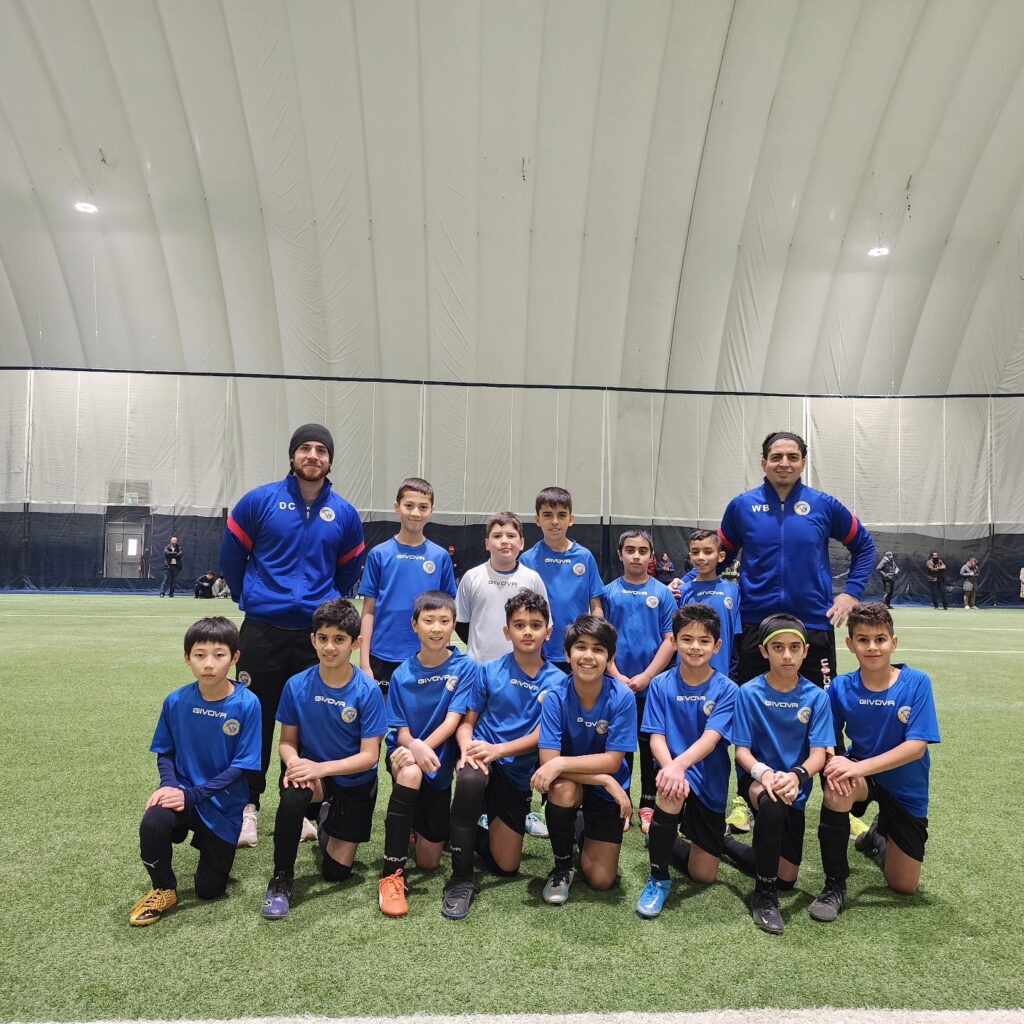
For many parents, one of the biggest questions is whether their child is ready to move from a recreational or development program into a more competitive soccer environment. It can be exciting to see your child improve quickly, score goals, or stand out in games. However, competitive soccer is about much more than talent alone. At Oakville United FC, we believe that the right timing matters. A child who enters competitive soccer too early may lose confidence, feel overwhelmed, or stop enjoying the game. On the other hand, a child who is ready for more challenge can thrive in an environment that pushes them to improve.
The key is finding the right fit for your child’s current stage of development.
Ontario Soccer’s Long-Term Player Development model encourages clubs and parents to consider a player’s technical, emotional, physical, and social readiness before moving them into a more demanding environment. The goal is not simply to “move up” as quickly as possible, but to place players where they can enjoy the game, build confidence, and continue developing.
1. Your Child Loves Playing Soccer
The first and most important sign is passion.
Does your child ask to play soccer in the backyard? Do they want to bring a ball everywhere they go? Are they excited to attend training sessions and games?
Children who genuinely enjoy soccer are usually much more prepared for competitive soccer than children who are only playing because of parent encouragement. Competitive soccer comes with more training sessions, more structure, and higher expectations. If your child already loves the game, they are more likely to embrace those challenges.
A player who is excited about soccer will often practice on their own, watch games on television, ask questions, and look forward to training days. That internal motivation is one of the biggest indicators that they may be ready for a more competitive environment.
2. They Have Strong Technical Skills for Their Age
Competitive soccer is not just about being bigger or faster than other children. In fact, early physical advantages often disappear over time.
A stronger indicator is technical ability.
Children who may be ready for competitive soccer often show:
- Good first touch
- Ability to dribble with control
- Confidence using both feet
- Strong passing and receiving skills
- Understanding of spacing and positioning
- Comfort in 1v1 situations
- Ability to make quick decisions under pressure
At younger ages, technical ability matters more than size or speed. Ontario Soccer emphasizes skill development as the foundation for long-term success, especially in the grassroots years from U6 to U12.
If your child consistently demonstrates strong ball control and can apply those skills in game situations, it may be a sign they are ready for a higher level of challenge.
3. They Can Handle Coaching and Feedback
Competitive soccer players receive more coaching, more correction, and more detailed feedback.
A child who is ready for competitive soccer is usually able to:
- Listen carefully to coaches
- Follow instructions
- Stay focused during training
- Accept corrections without getting upset
- Apply feedback the next time they play
- Stay positive after mistakes
In competitive soccer, coaches may stop drills, ask players to repeat exercises, or challenge players to improve specific details in their game. Children who respond well to this type of environment tend to progress faster.
Coachability is often one of the biggest differences between players who succeed in competitive soccer and those who struggle. A player does not need to be perfect, but they should be open to learning and willing to keep trying after making mistakes.
4. They Are Emotionally Ready for Challenges
Competitive soccer can be exciting, but it can also be difficult.
There will be games where your child does not score. There will be losses, tough opponents, missed chances, and moments where they may not start every game.
A child who is ready for competitive soccer is usually able to bounce back from disappointment. They can make a mistake, keep going, and continue enjoying the game.
Ontario Soccer recommends considering emotional and social maturity alongside physical and technical development when evaluating whether a child should move into a more competitive environment. Players who are challenged too early can become frustrated, anxious, or lose confidence.
Signs of emotional readiness include:
- Staying positive after losing
- Wanting to improve after mistakes
- Encouraging teammates
- Being resilient when facing stronger competition
- Managing pressure during games
Competitive soccer should build confidence, not take it away.
5. They Can Commit to a Higher Training Schedule
Competitive soccer typically involves more training sessions, league games, festivals, tournaments, and travel.
Before joining a competitive team, families should consider whether their child is ready for:
- Two to three training sessions per week
- Weekend games or festivals
- Travel to different fields or cities
- Practicing regularly at home
- Balancing soccer with school and family life
A player who struggles with attendance or frequently misses sessions may not get the full benefit of a competitive environment.
At Oakville United FC, we believe commitment matters because development happens through consistency. Players improve when they attend regularly, build habits, and train over time.
That does not mean children cannot play multiple sports. In fact, multi-sport participation can be very beneficial for younger players. However, if a child is moving into competitive soccer, they should be prepared for the increased commitment that comes with it.
6. They Enjoy Being Part of a Team
Competitive soccer is not just about individual skill. Teamwork is essential.
Children who are ready for competitive soccer often show strong social skills. They enjoy playing with teammates, communicating on the field, and working together toward common goals.
This includes:
- Taking turns
- Supporting teammates
- Listening during team talks
- Respecting coaches and officials
- Showing leadership
- Celebrating team success, not just personal success
Ontario Soccer highlights the importance of social development in player placement decisions. A child may be technically strong, but if they are not socially ready for the demands of a team environment, moving too quickly can become difficult.
A player who enjoys being around teammates and thrives in a group setting is often more likely to succeed in competitive soccer.
7. They Continue Improving Over Time
One of the clearest signs that a child may be ready for competitive soccer is consistent improvement.
Some children improve very quickly because they are motivated, focused, and eager to learn. Over time, you may notice they are becoming more confident on the ball, making better decisions, or standing out more during games and practices.
The most important thing is not where your child is today, but whether they continue progressing.
At Oakville United FC, we believe player development is a journey. Some children are ready for competitive soccer at a younger age, while others benefit from spending more time in development programs first. Neither path is “better” — the right path is the one that supports your child’s long-term growth and love for the game.
Final Thoughts
Competitive soccer can be an excellent opportunity for children who are ready for more challenge, stronger training, and higher-level play. However, moving too quickly is not always the best choice.
The best environment is one where your child feels challenged but still confident, supported, and excited to keep improving.
At Oakville United FC, our goal is to help every player find the right pathway for their stage of development. Whether your child is starting in Future Stars, Development, Super Girls, or preparing for future competitive soccer opportunities, we are committed to helping them build skills, confidence, and a lifelong love of the game.